Paying for your own upgrade on a company ticket: separate the decisions
Separate employer permission, airline conditions and personal payment before upgrading a company-paid flight with your own money.

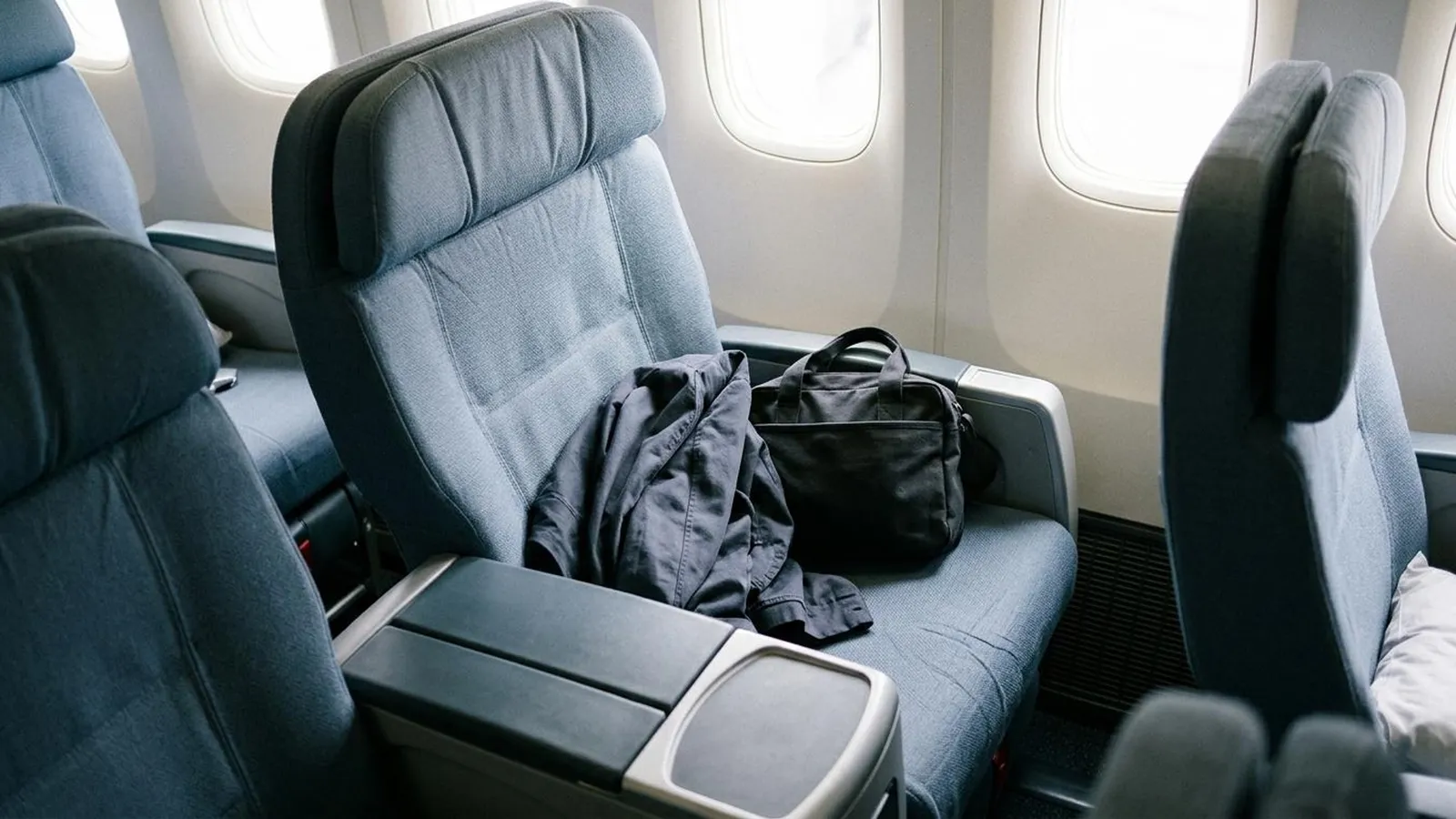
Your company has bought the ticket. The airline’s app offers you a more comfortable cabin, and you are willing to pay for it yourself. That seems like a personal purchase, but it sits on a booking another organization still needs to manage.
Separate three decisions before buying: whether the employer permits it, what the airline is actually selling and how the original ticket and personal payment will be handled if the work trip changes. Paying personally does not answer the other two questions.
This guide uses a fictional employee and hypothetical figures, not a real employer’s policy or a current upgrade offer. The airline examples come from Delta’s official passenger and agency pages checked November 16, 2026. Other carriers and corporate arrangements may differ.
Ask permission for the action you intend to take
In the invented example, Alex’s employer books an economy return through its required travel agency and pays the fare centrally. Alex sees a $240 offer for an upgrade on the outbound flight only. The return would remain in the original cabin.
Before accepting, Alex asks the travel team whether a personally funded upgrade on that booking is allowed, whether the required channel changes anything and which payment method can be used. The question is about this action, not simply whether employees may collect miles.
Ask for any conditions that matter to the work trip: whether the flight times must stay unchanged, whether the agency needs to arrange the upgrade and what records the expense team will need. Do not assume that an airline app displaying an option means the employer has approved it.
The company-paid trip checklist covers broader permission questions. Keep this decision narrow enough that the person responding can clearly authorize or refuse what you propose.
Establish whether it is an upgrade, a seat or a new ticket
A cabin change, a preferred seat and a new fare are not automatically the same purchase. Read the actual offer and ask which flights it affects. A label like “premium” does not establish lounge access, baggage allowance or the conditions for changing the flight.
Delta’s passenger seat guidance, checked November 16, 2026, describes post-purchase paid upgrades on eligible flights and distinguishes them from preferred seats. It also states restrictions on changing or transferring paid upgrades. The existence of that process is not confirmation that Alex’s ticket, or any reader’s booking, qualifies.
For a real offer, confirm what changes and what remains governed by the original fare. If the offer is only for one segment, do not let the upgraded seat on the first flight become an assumption about the connection or the return.
A personal card does not transfer control of the booking
Alex wants the company agency to remain able to manage the business itinerary. Before buying, Alex asks whether the proposed purchase affects its ability to service the ticket and how the upgrade will be visible to it.
Delta’s agency guide to post-purchase upgrades, checked November 16, 2026, illustrates why that question is specific. In its described process, the upgrade is recorded separately while the ticket is revalidated to retain agency control. That is one provider’s process, not a universal promise that every independent purchase leaves every agency arrangement unchanged.
Let the agency confirm the method for this ticket. If an approval says the upgrade must be handled through the travel team, follow that route rather than treating direct payment as an equivalent workaround.

Keep company cost and personal cost in different columns
Suppose Alex receives permission to buy the invented $240 outbound upgrade using a personal card. The original ticket remains company-paid, and the example assumes no other charge or reimbursement.
| Item in the fictional case | Who pays in this example | What belongs in the record |
|---|---|---|
| Original economy return | Employer, centrally | Original itinerary and company receipt |
| Outbound upgrade | Alex, personally | Offer terms, upgrade confirmation and personal receipt |
| Return flight | No upgrade purchased | Original cabin remains in the itinerary |
Alex’s personal outlay is $240. It is not the employer’s upgrade expense merely because the purchase appears alongside a company trip. Conversely, paying personally does not authorize Alex to alter the original company fare or claim part of it back.
Keep the permission and payment evidence together without submitting a personal charge as a reimbursable expense. If the expense system needs an explanation of why the travel confirmation shows a different cabin, provide that explanation through the employer’s approved process.
Agree what happens when the meeting moves
Before paying, Alex asks what happens if the employer later changes or cancels the trip. Who contacts the airline? Who follows up on the upgrade payment? Does the employer’s policy address personal losses on company-driven changes?
Those are open questions until answered. Do not make a proposed personal purchase affordable by assigning it an assumed employer reimbursement or an assumed airline refund.
Delta’s cited agency guidance says original fare rules still matter when an upgraded itinerary changes and that an upgrade’s treatment can depend on the fare. Its passenger page also distinguishes circumstances in which an upgrade may retain value. These examples are reasons to read the actual conditions; this guide does not promise a refund, cash repayment or transfer of the upgrade to another flight.
If a disruption happens, the work-trip disruption guide separates the airline’s offer from the employer’s business decision. Tell the person changing the booking that a personal upgrade payment exists before accepting a replacement.
Check the result, not just the receipt
After a permitted purchase, Alex checks that the correct flight and cabin appear, that the agency knows what changed and that the company itinerary still reflects the required business trip. Keep the upgrade terms and receipt in a place that can be reached while traveling.
For the separate comfort-versus-cost question, Mile Maximizer’s paid-upgrade comparison explains how to compare alternative ways of obtaining a premium seat. The employer permission and payment boundary still has to be resolved here, even if an option looks attractive personally.
Common questions
If I pay, can I upgrade without asking? This guide grants no permission. Confirm the employer’s rules and the booking channel’s requirements for the proposed purchase.
Does an upgrade make the whole ticket flexible? Do not assume it does. Check the original fare and the upgrade’s separate conditions.
Will my employer repay the upgrade if it cancels the trip? That depends on the actual policy or agreement. Ask before spending; the fictional case assumes no reimbursement promise.
Sources checked November 16, 2026: Delta’s passenger seat guidance and agency post-purchase upgrade guide linked above. Alex, the employer arrangements and the $240 figure are invented. General work-travel education, not employment, legal, insurance or tax advice.